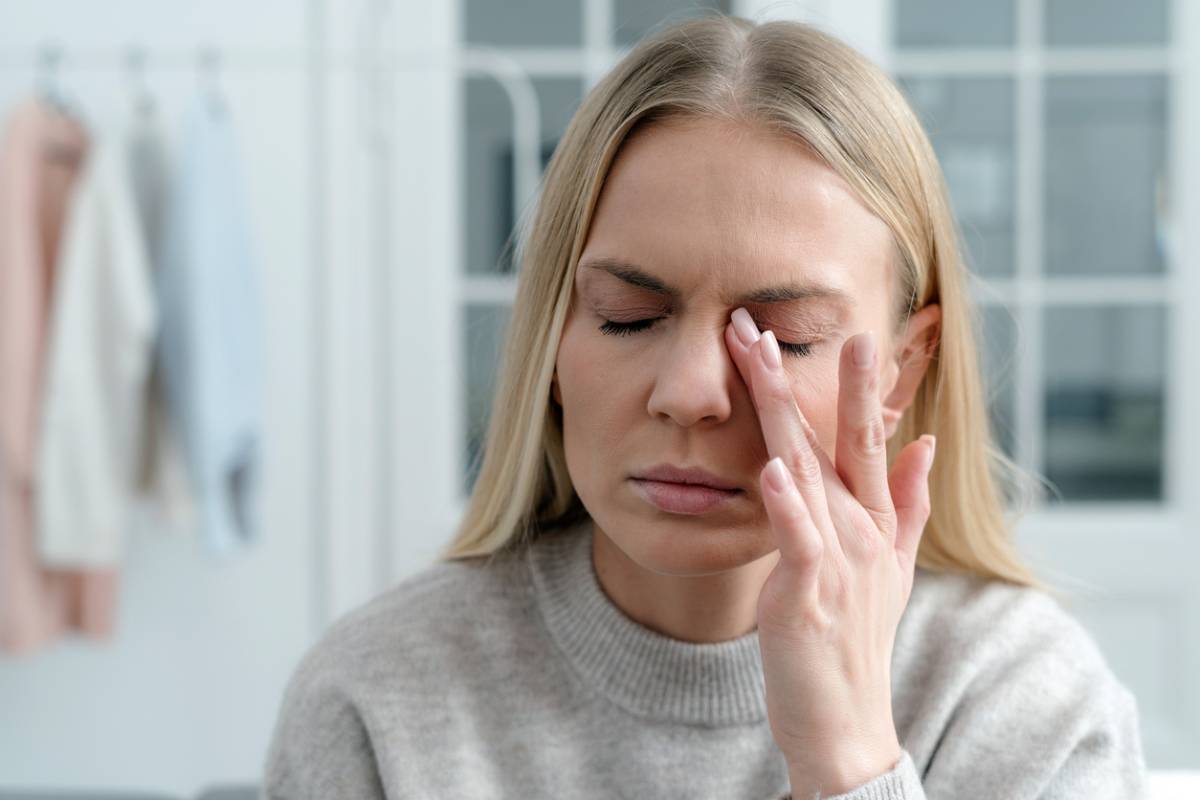
Droopy eyelids can impact your entire facial aesthetic. They can make you look angry, tired, and much older than you are. They can also cause functional concerns. Drooping eyelids can impact your vision. This can make everyday tasks like reading and driving difficult. The issue often appears gradually. The eyelid may sit lower than usual, or one eye may appear smaller than the other. Many people wonder when to seek help or get treatment. Below are 7 signs your droopy eyelids may be more than a cosmetic concern.
7 Signs Your Droopy Eyelid May Be More Than a Cosmetic Concern
Eyelid drooping can cause functional and aesthetic issues. Once the issue begins, it is difficult to ignore. Ptosis surgery is a highly effective treatment option to address the issue. Consider the following signs that surgical intervention may be right for you.
1. Your Eyelid Covers Part of Your Pupil
One of the most common indications that ptosis surgery may be necessary is when your eyelid covers even part of your pupil. When this occurs, it can reduce the amount of light that reaches the eye. This can impact your visual field and make so many daily activities difficult. This includes reading, driving, and recognizing faces from a distance. If you notice any obstruction to your vision, it is time to consult with an oculoplastic surgeon.
2.You Tilt Your Head Back Often
Tilting your head back is a common sign that your ptosis is more than just a cosmetic concern. Adopting a chin-up posture is a way to compensate for a drooping eyelid. The position helps move the eyelid out of the line of sight. While this may help you see in the short term, it can cause several long-term issues. It can lead to neck strain and discomfort. If you notice that you tilt your head back often to see more easily, intervention may be necessary.
3. You Raise Your Eyebrows Often
Many people who have droopy eyelids tilt their head back and raise their eyebrows. Similar to tilting your head back, it can temporarily improve vision issues. The forehead muscles can even unintentionally compensate by lifting the eyelid out of the way. Over time, this can lead to brow strain, tension headaches, and a permanently raised brow appearance. This can also lead to aesthetic issues, such as deep forehead wrinkles. This indicates the issue needs evaluation by a professional.
4. Tired Eyes at the End of the Day
Eye fatigue that builds throughout the day is a sign of eyelid issues. The eyelid muscles often have to work harder to stay open if you have ptosis. This extra strain can make your eyes feel heavy and tired by the afternoon or early evening. Some people feel like they have to intentionally keep their eyes open. This is different from feeling tired at the end of the day, as it is often an issue caused by ptosis and specifically causes eye fatigue. Treatment is necessary to effectively address the issue.
5. Reading and Screen Time Become Challenging
Tasks that require focus at work or school can become difficult. Most people need to read or be on a screen to perform tasks daily. Those who have ptosis notice an impact on their vision, making things blurry or difficult to see. Many people notice that they have to blink or rub their eyes, but this only provides short-term relief. If you notice that you struggle with tasks like reading or using your screens, it’s worth investigating the cause.
6. Eyelid Asymmetry
Asymmetry between the two eyelids is a common indicator that you suffer from ptosis. Most people do not have naturally symmetrical eyes. However, changes to your eye asymmetry are a sign you should not ignore. Asymmetry can develop gradually. When this occurs, one eye must compensate more to see clearly. This can lead to strain and even more of a difference between the eyes.
7. Headaches Linked to Eyebrow Strain
Frequent headaches with no other explanation can be due to ptosis. If you develop headaches around the forehead and brow area, it can be connected to droopy eyelids. This is often due to the forehead muscles working overtime because you constantly raise your eyebrows. Tension headaches can make daily life difficult. Consult with a professional, as they can evaluate the root cause.
8. Leading Oculoplastic Surgeon for Ptosis Surgery
Ptosis can cause both functional and aesthetic issues. If you want to address the look of your upper eyelids, contact the team at Cutler Peck Oculofacial Plastic Surgery today to schedule your consultation!