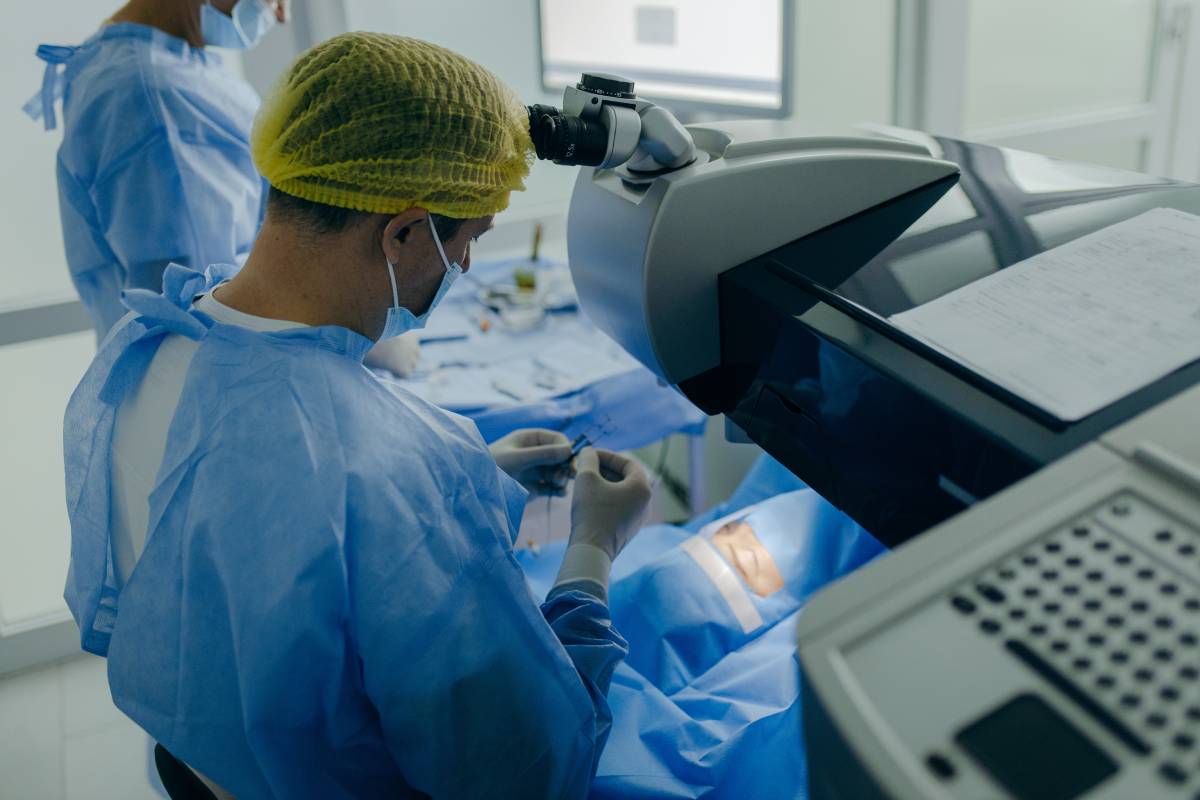
Eyelid surgery is a great way to improve the appearance of the eyes. It can take years off your look and address functional issues. Most people are happy with their initial surgery. In some cases, issues may require additional surgery. Revision eyelid surgery is a highly specialized procedure. It aims to address concerns raised by the primary surgery. It requires careful planning due to the surgery’s added complexity. Below will find more information about the risks and considerations before undergoing revision eyelid surgery.
Risks and Considerations Before Undergoing Revision Eyelid Surgery
Revision blepharoplasty is more complex than a first-time eyelid procedure. This is because the tissues have already been altered. Understanding the process is necessary before going forward with the procedure. Working with a skilled oculoplastic surgeon is necessary. This ensures you achieve the very best results.
Scarring or Tissue Changes
No matter the procedure, all surgeries carry inherent risks. Eyelid surgery carries a risk of scarring. Revision surgery carries the added risk of thicker or more complex scar tissue. This can impact the healing process and the final appearance and function of your eyelids.
While rare, some patients may notice that their eyes feel tighter or firmer after surgery. Small eyelid irregularities can also occur. Because of this, it is essential to work with a skilled and experienced oculoplastic surgeon. They can assess your unique anatomy and determine the right course of action based on your aesthetic goals.
Dryness or Irritation
The eyelids play a key role in your eye health. They help protect and lubricate the eyes. This is achieved through proper blinking. In rare cases, revision eyelid surgery can lead to dryness or irritation. This is because surgery may change the shape or position of the eyelids.
Creating a customized treatment plan based on your unique anatomy is essential. Work with a surgeon who has extensive experience in revision surgery for the best results. Without doing so, the risk of persistent eye issues is high.
Risk of Asymmetry
The way the eyelids heal after revision eyelid surgery can lead to asymmetry. Natural differences in muscle strength, skin elasticity, and scar tissue from the previous surgery affect the final results. Because the surgery has already been performed, the healing process can be slightly less predictable.
In most cases, revision surgery results in symmetrical results that look much better than before. Most patients achieve noticeable improvements without issue. Revision surgery aims to enhance both function and appearance. It is important to work with a surgeon experienced in revision surgery to achieve these results.
Is Revision Blepharoplasty Right for Me?
Understanding if revision eyelid surgery is right for you depends on your goals. Some patients may want to improve the appearance of their results. Others may want to improve function. In some cases, both are necessary depending on the results of the primary eyelid surgery. Working with a skilled oculoplastic surgeon is the first step in moving forward. They can evaluate your results and discuss your goals with you. From there, they can determine whether you are a good candidate.
There are several signs that you may benefit from revision eyelid surgery. Common signs include persistent drooping, heaviness, or difficulty closing your eyes. Uneven eyelid creases, irritation, or dryness are also factors. These issues can impact the appearance and function of your eyes. They can also make daily life difficult without intervention. A revision procedure can often address and improve these issues. It takes the help of a skilled oculoplastic surgeon experienced in revision eyelid surgery.
Consider the Timing of Your Revision Surgery
One of the most important factors to consider when considering revision eyelid surgery is timing. It is important to wait long enough after your first surgery. You may think early intervention is the solution. But in this case, it is the opposite. The eyelids need time to fully heal after surgery. Swelling can also take months to fully resolve.
Because of this, it is important to wait at least 6 months before proceeding with surgery. You can schedule a consultation to assess the potential for revision surgery. It is important to prepare yourself that you may need to wait before moving forward. This can actually improve the outcome of your revision eyelid surgery.
Top Oculoplastic Surgeon for Revision Blepharoplasty
Being dissatisfied with your original blepharoplasty procedure can be disappointing. If you are considering revision blepharoplasty, contact the team at Cutler Peck Oculofacial Plastic Surgery today to schedule your consultation!